
We offer a range of workshops for early years and primary students. All of the workshops can be delivered at the STEM Starts Centre, and many can be brought out to schools too. Click the workshops below to learn more and to enquire about booking a session.
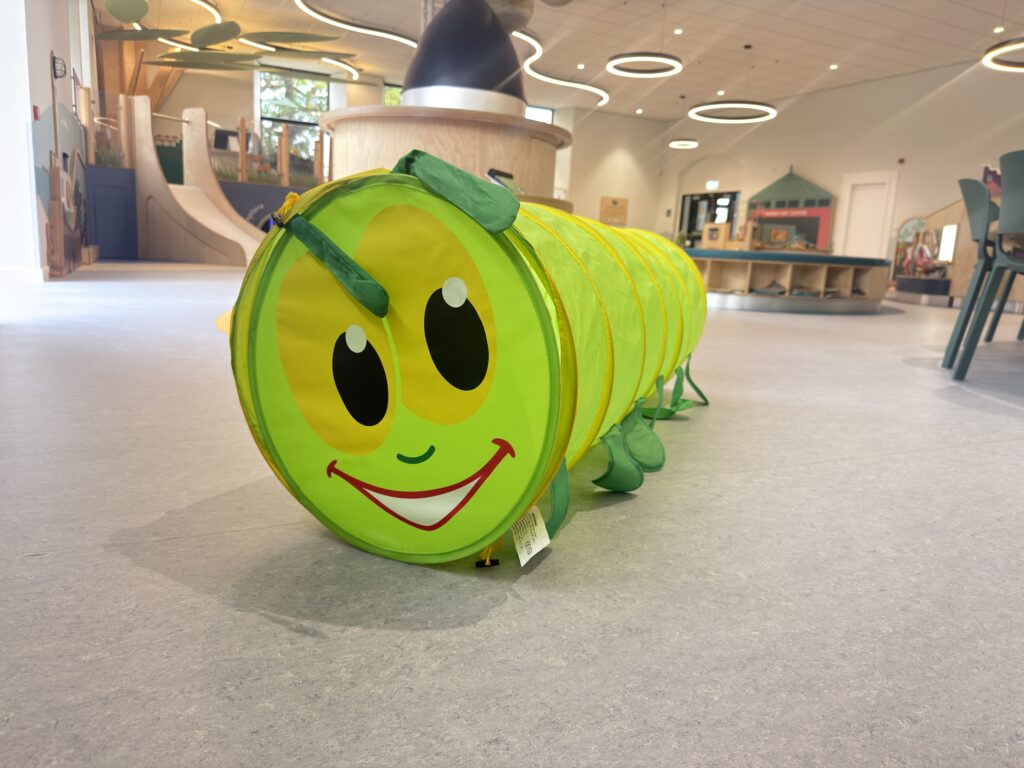
Creative Caterpillars is a hands-on, creative science workshop for younger pupils that explores the life cycle of a caterpillar in a fun and memorable way. Inspired by The Very Hungry Caterpillar, children begin with story time before reinforcing their learning through a colourful life‑cycle jigsaw. The session finishes with a messy, practical activity where pupils make seed bombs to grow plants that provide food for caterpillars and other wildlife. Combining storytelling, creativity, and environmental learning, this workshop encourages curiosity about nature, life cycles, and caring for the living world around us.
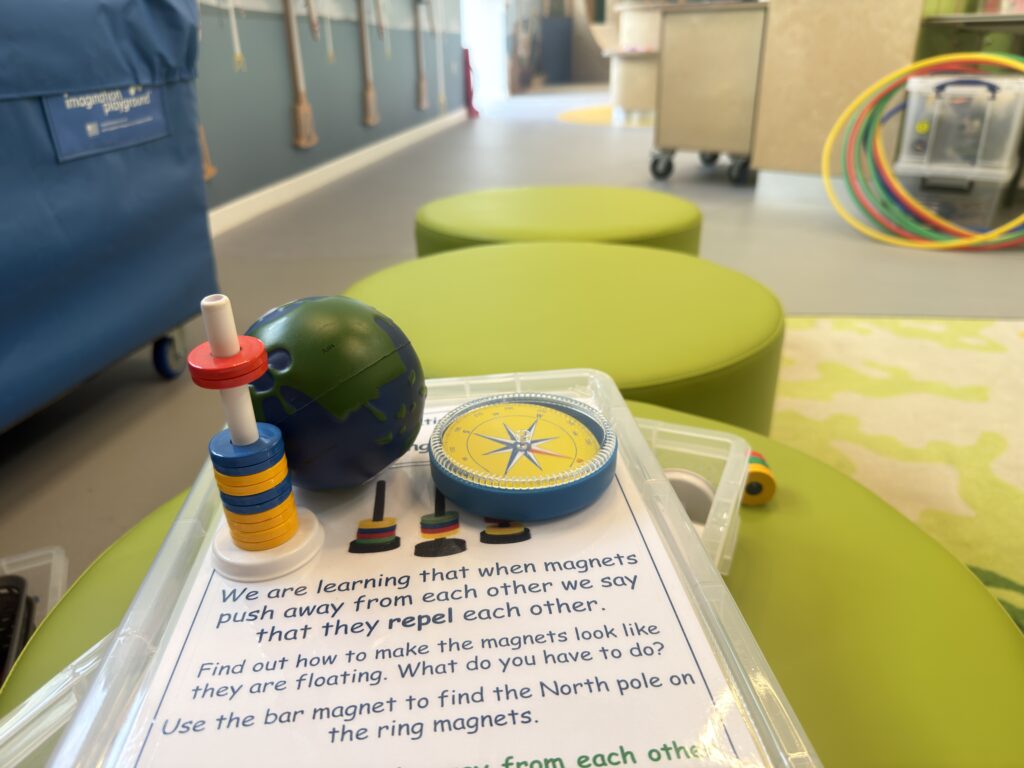
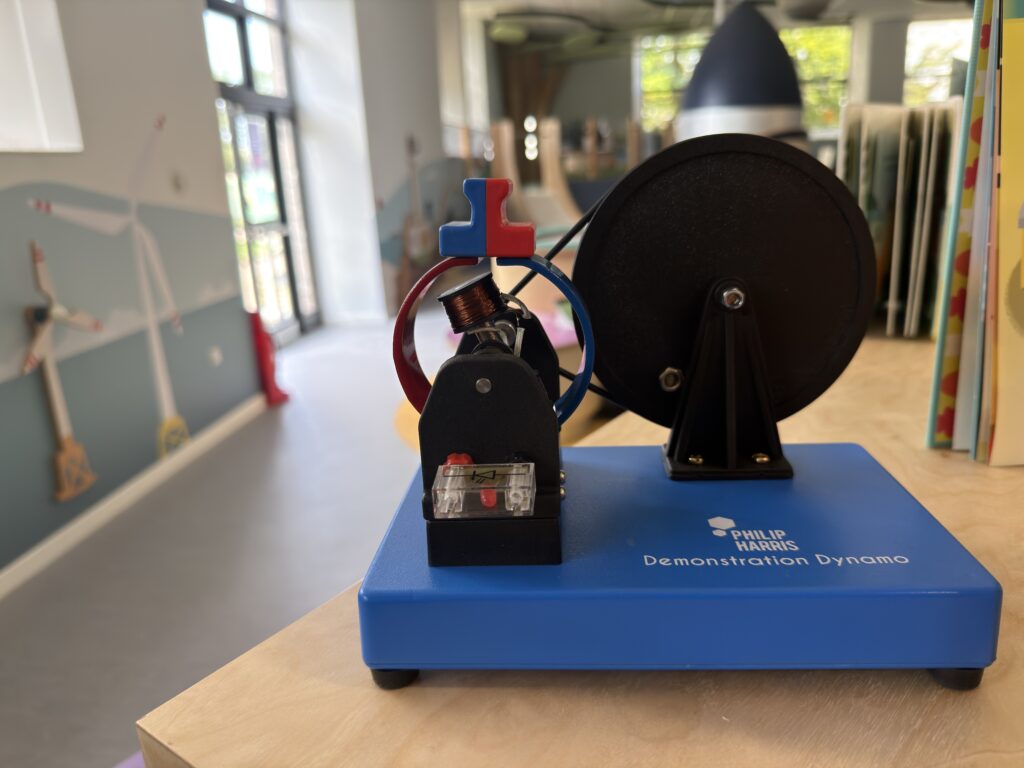
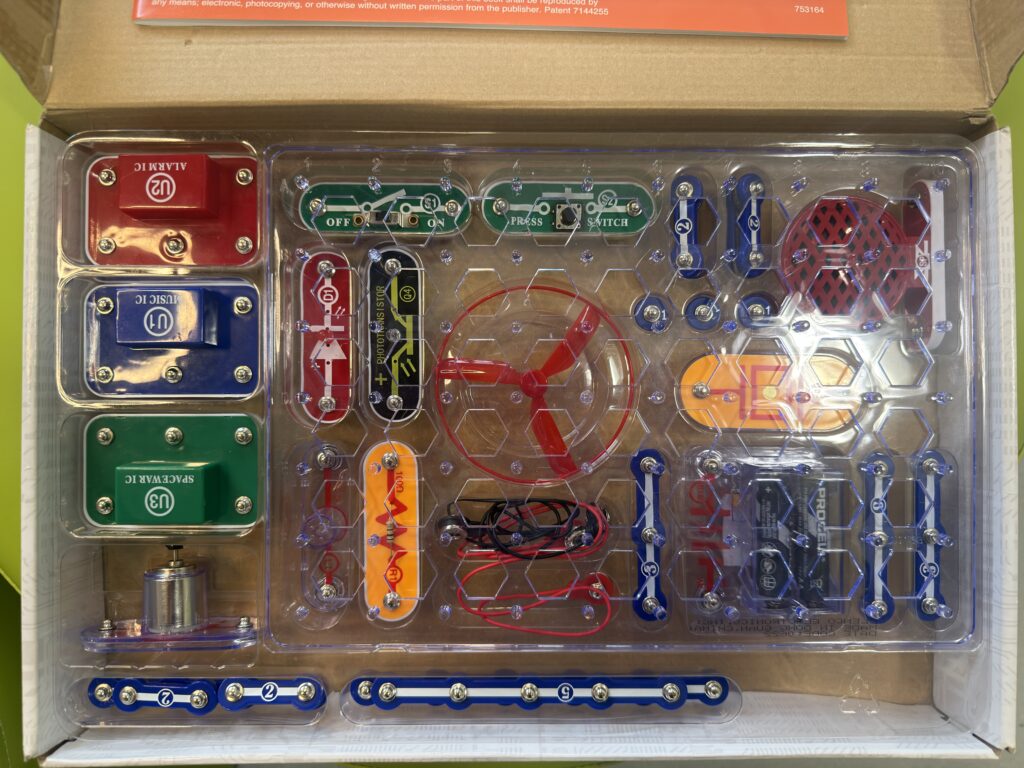
This interactive workshop introduces pupils to the exciting science of magnets and electricity through hands-on investigation and discovery. Working in small groups, children explore attraction and repulsion, magnetic fields, and how magnets are used in everyday technology. The session brings learning to life by showing how moving magnets and coils of wire can generate electricity, linking directly to wind, hydroelectric, and fossil fuel power stations. With practical stations, group challenges, and engaging demonstrations, the workshop builds confidence, curiosity, and a strong foundation in physical science concepts.
Dive into the fascinating (and sometimes gruesome!) world of germs in this lively, hands-on science workshop. Pupils explore what germs are, how bacteria and viruses spread, and how our bodies defend themselves through immunity, handwashing, antibiotics, and vaccination. Through creative activities like designing their own germs, investigating effective hand hygiene, and stepping back in time to learn about the Black Death in Aberdeen, children discover how disease has shaped our past and how science helps keep us safe today. Packed with practical experiments, history, and storytelling, this workshop brings microbiology to life in an engaging and memorable way.
Energy Explorers is a lively, hands-on workshop designed for early years pupils, introducing the big ideas behind energy in a playful and accessible way. Through movement, storytelling, demonstrations, and interactive activities, children discover what energy is, how it can be stored and transferred, and why electrical energy is so important in everyday life. Pupils explore where electricity comes from — including fossil fuels, wind, and solar power — and learn why using renewable energy and saving electricity helps protect the environment. Packed with role-play, experiments, and creative challenges, this workshop builds early science understanding while encouraging curiosity and active participation.
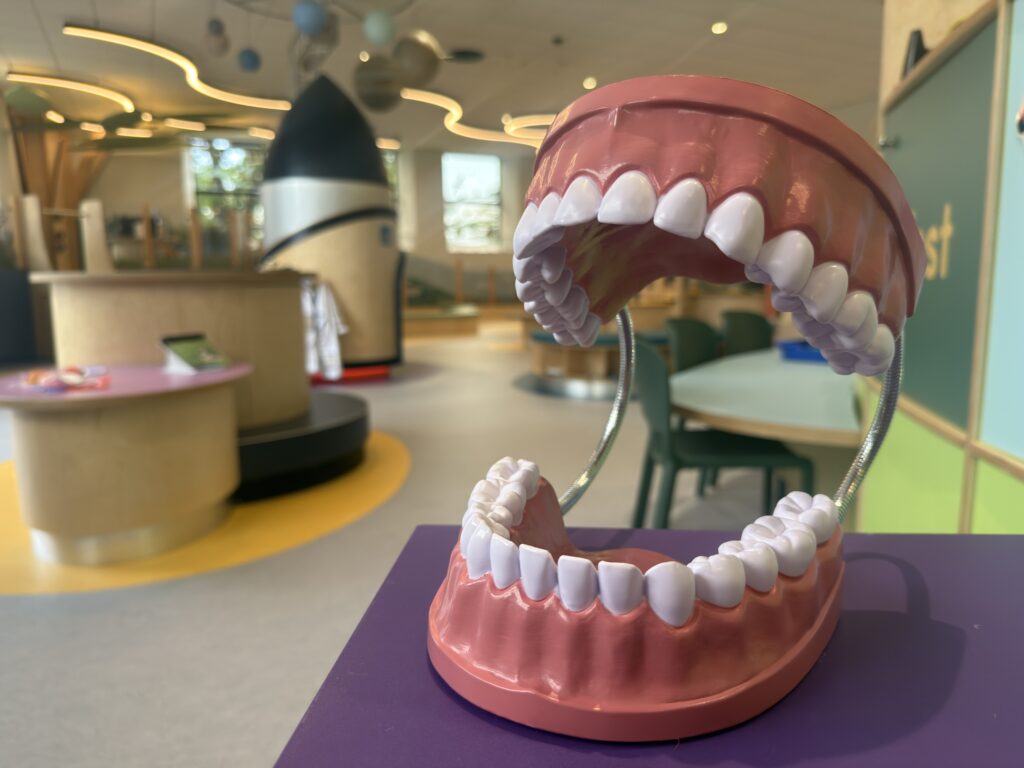
This fun, interactive workshop takes pupils on a fascinating journey through the history and science of tooth care. Starting with why healthy teeth matter, children explore how people cleaned their teeth from ancient Egypt to modern times, discovering some surprising (and sometimes shocking!) ingredients along the way. Pupils then become scientists themselves, creating and testing their own “Bright Smile” toothpaste against a shop-brand, using hands-on experiments to judge how well each one works. Packed with storytelling, science, and practical activity, the session builds understanding of oral health while encouraging curiosity, teamwork, and lots of smiling.
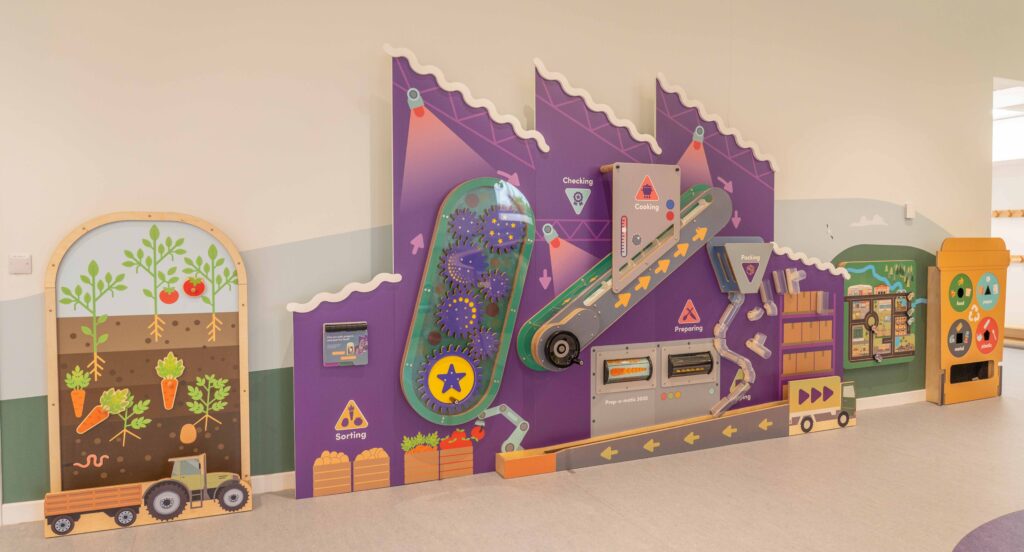
This interactive workshop introduces pupils to the science and processes behind how everyday foods are made. Through an eye‑catching demonstration, learners explore how food additives can change texture, followed by a series of hands‑on activity stations that mirror real food manufacturing techniques. Children investigate weighing and measuring, sieving and separating ingredients, mixing wet and dry materials, sorting foods into categories, and designing their own food labels. By combining sensory play, practical skills, and real‑world examples, the workshop builds understanding of food production, nutrition, and quality control while encouraging curiosity, problem‑solving, and teamwork.
This hands‑on workshop introduces pupils to the challenges faced by coastal communities and the science behind protecting shorelines from erosion and flooding. Learners begin with an engaging wave tank demonstration to see how waves affect land and buildings, and how changes in terrain can increase or reduce risk. Working in small groups, they then design, build, and test their own coastal defences using wave trays and construction materials, refining their ideas through repeated testing. Through experimentation and problem‑solving, pupils develop an understanding of coastal processes, engineering solutions, and how humans can work to protect vulnerable coastal environments.
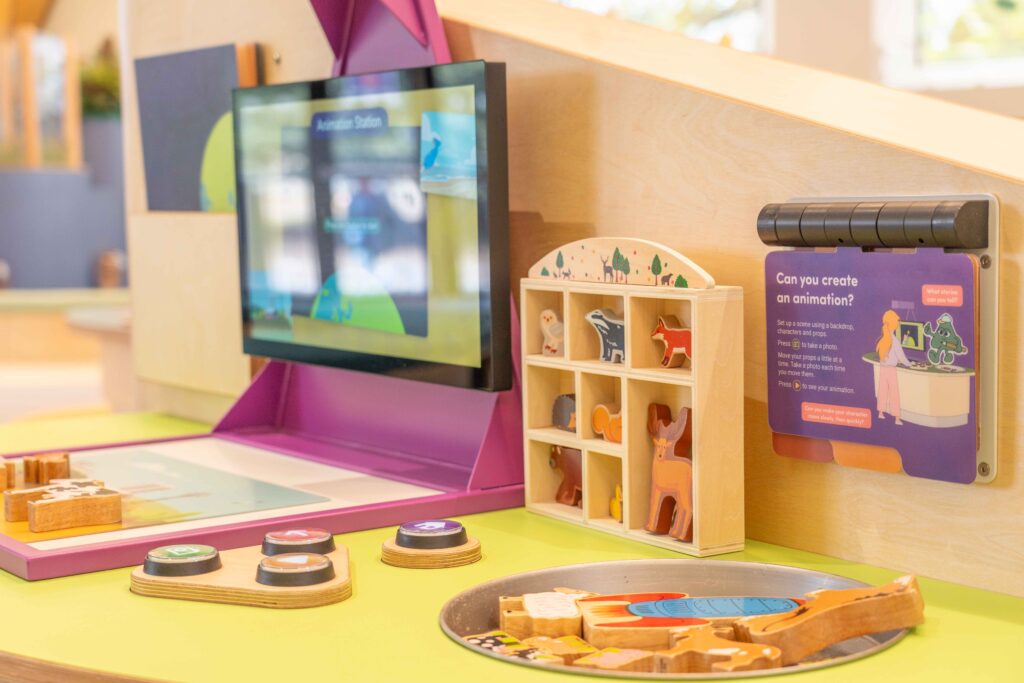
This creative, hands‑on workshop introduces pupils to the science behind animation and how moving images create the illusion of motion. Learners begin by exploring a zoetrope to see how early animations worked, before planning their own ideas using simple storyboards. Using craft materials and iPads with stop‑motion software, pupils then create their own short animations, experimenting with frame rate, movement, and storytelling. The session blends digital skills, creativity, and STEM learning, helping children understand how animation is designed while encouraging teamwork, problem‑solving, and imagination.
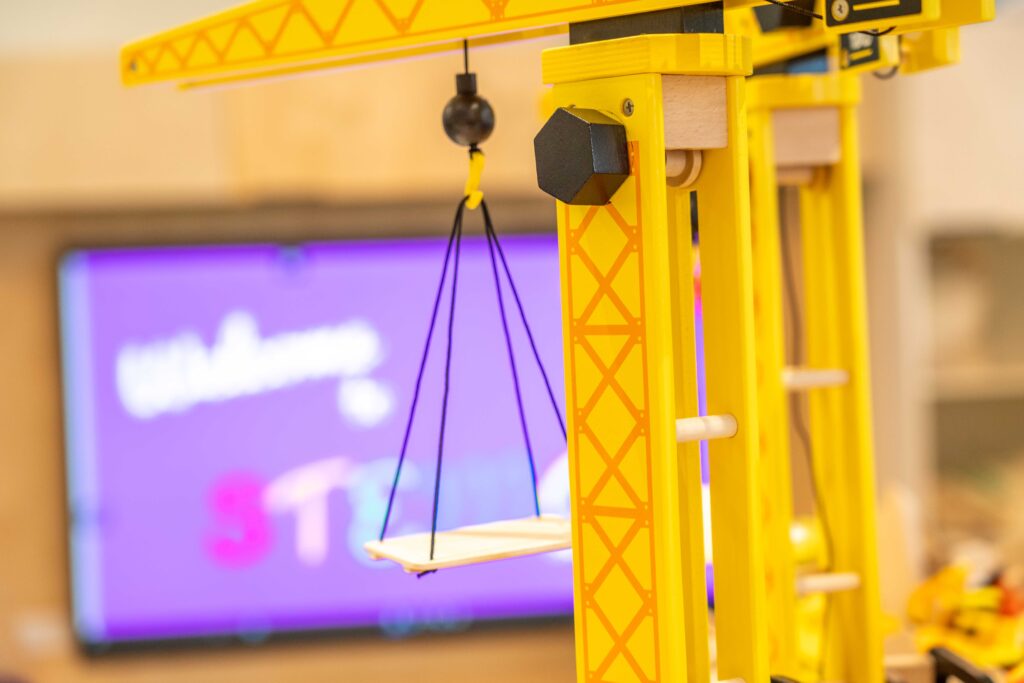
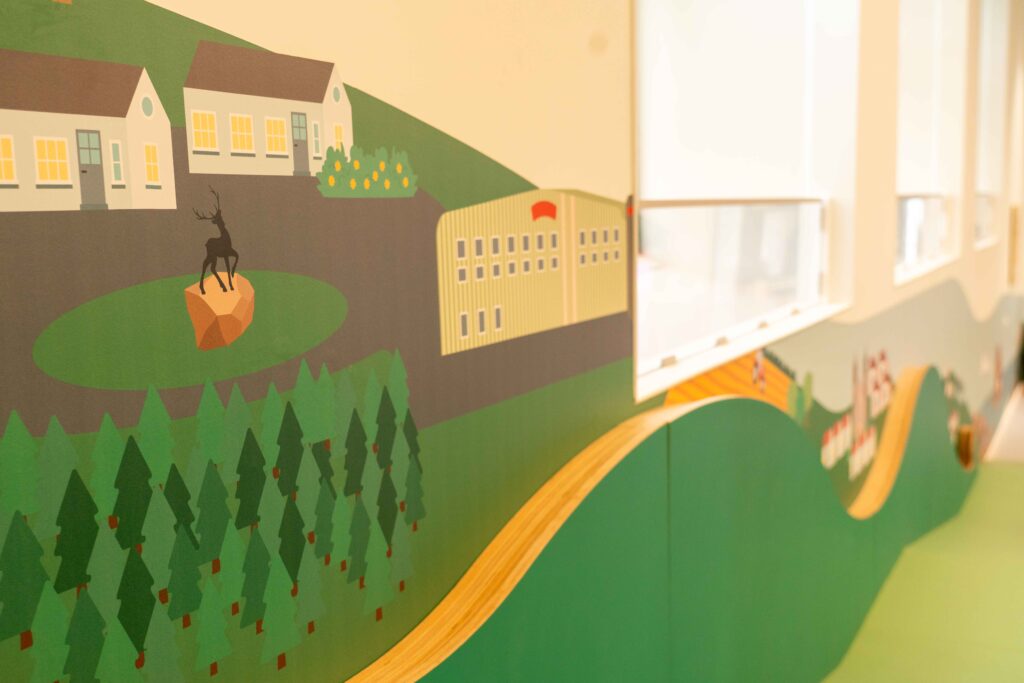
This practical, play‑based workshop introduces pupils to the world of construction and how communities are built. Learners explore simple machines through a pulley demonstration, discovering how construction workers lift heavy materials safely and efficiently. Children then take on the role of builders themselves, using blocks, cranes, sand, and construction equipment to design and create structures on a Moray floor map or in sensory play trays. Through hands‑on exploration and imaginative play, the session develops early engineering skills, problem‑solving, teamwork, and an understanding of how buildings, tools, and materials shape the places we live.